

Engine Components Manufacturers: Complete Guide to Essential Parts, Applications, and Industry Standards
The quality of the engine components is important to the performance, durability, and efficiency of any vehicle. Engine parts are important in passenger vehicles as well as commercial vehicles, and in agricultural machinery and industrial equipment, to achieve smooth operation as well as long-term reliability.
With the ever-changing automotive technology, companies and OEMs are finding it harder to ignore the need to find trusted engine components manufacturers that will produce products of the highest standards with precision engineering. This guide covers the parts of the engines, their uses, production criteria, and the most important considerations to make in choosing a reliable supplier.
What Are Engine Components?
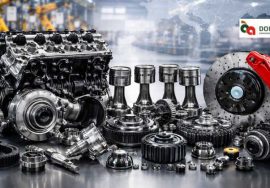
Individual mechanical components that interact to produce power, control temperature, regulate lubrication, and ensure efficient combustion of fuel in an engine are referred to as engine components.
Modern automotive engine components are designed using advanced engineering processes to improve fuel efficiency, reduce emissions, and enhance vehicle performance.
The components are applied in many industries, such as automotive, agriculture, construction, transportation, and power generation.
Essential Engine Components and Their Functions
1. Cylinder Head
Above the engine block is the cylinder head, which contains valves, combustion chambers, and fuel injectors.
Key Functions:
- Closes the combustion chamber.
- Controls airflow
- Favors the effective burning of fuel.
- Maintains engine compression
2. Pistons and Piston Rings
The combustion pressure is then converted into mechanical energy by the pistons to drive the vehicle.
Quality Pistons Advantages:
- Improved fuel efficiency
- Reduced friction
- Better heat resistance
- Longer engine life
3. Crankshaft
The crankshaft converts the back-and-forth movement of the pistons into rotation, which propels the vehicle.
There is a need to have precision manufacturing to provide balance, durability, and smooth engine operation.
4. Camshaft
The camshaft regulates the timing of valves and the proper functioning of the intake and exhaust.
Proper design of cam followers leads to:
- Better engine performance
- Improved fuel economy
- Lower emissions
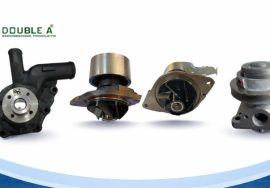
5. Engine Cooling System Components
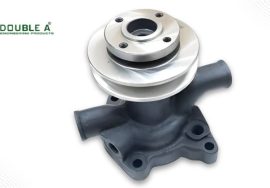
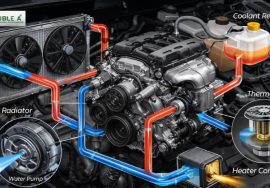
Engine temperature control is important to engine life. Important engine cooling system components include:
- Water pumps
- Thermostats
- Radiators
- Cooling fans
- Coolant passages
An effective cooling system prevents overheating, and it also preserves the parts of the engine that are vital to it, which otherwise would be overworked.
6. Intake and Exhaust Manifolds
These parts control inlet and outlet of air in and out of the engine.
Benefits include:
- Improved combustion efficiency
- Better engine performance
- Reduced emissions
- Enhanced fuel economy
Applications of Engine Components Across Industries
Automotive Industry
The automotive sector represents the largest consumer of car engine components.
Applications include:
- Passenger vehicles
- Commercial trucks
- Buses
- Utility vehicles
- Hybrid vehicles
Most of the major Car Engine Parts Manufacturers In India provide both local and international markets with their components.
Agricultural Equipment
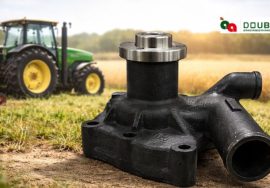
Agricultural machinery today requires the use of dependable engine systems which can enable the machines to perform well in harsh conditions.
Common equipment includes:
- Tractors
- Harvesters
- Irrigation machinery
- Farm utility vehicles
Construction and Heavy Equipment
In construction machinery, engine components must be tough enough to accommodate heavy loads and prolonged work.
Applications include:
- Excavators
- Loaders
- Cranes
- Bulldozers
Industrial Equipment
Generators, compressors, pumps, and equipment used in manufacturing processes are driven by industrial engines in which reliability is a must.
Industry Standards Followed by Leading Manufacturers
Quality standards play a major role in ensuring engine performance and durability.
Precision Manufacturing
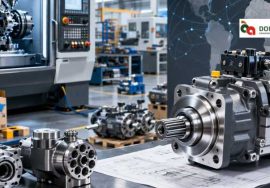
The current manufacturing plants are using cutting-edge machining and inspection systems to accomplish:
- Tight dimensional tolerances
- Consistent product quality
- Improved component reliability
- Enhanced operational efficiency
Material Quality
High-quality engine components are produced with:
- High-grade cast iron
- Alloy steel
- Aluminum alloys
- Heat-resistant materials
These materials enhance durability and can withstand harsh working conditions.
Product Testing
Reliable engine parts manufacturers conduct extensive testing, including:
- Dimensional inspection
- Pressure testing
- Fatigue testing
- Thermal resistance evaluation
- Performance validation
OEM Compliance
Manufacturers producing OEM engine components must adhere to strict design specifications and quality requirements to ensure compatibility and reliability.
How to Choose the Right Engine Component Supplier
Choosing the appropriate supplier may have a great influence on the quality of the products and the performance of operations.
Industry Experience
Find manufacturers who have a history of manufacturing engine components across a variety of uses and applications.
Product Range
An effective product portfolio reflects robust engineering and production.
Research and Development
Innovative manufacturers are able to provide superior solutions, which enhance the efficiency and durability of the engines.
Quality Certifications
Adherence to accepted quality management systems is a sign of assured standards in manufacturing.
Global Supply Capability
Most companies would want to deal with long-established automobile suppliers in India with good supply chain and global delivery capabilities.
Emerging Trends in Engine Component Manufacturing
Lightweight Components
Compared to heavyweight materials, manufacturers are adopting lightweight materials so as to achieve fuel efficiency and lower the weight of the vehicle.
Advanced Thermal Management
With better cooling technologies, engine performance is enhanced, and stricter emission regulations are met.
Precision Engineering
Advanced CNC machining and automated inspection systems are improving consistency and manufacturing accuracy.
Sustainable Manufacturing
Businesses are embracing environmentally friendly production to minimize waste and enhance energy conservation.
Frequently Asked Questions (FAQs)
Q1. Which are the most vital engine parts?
Ans: The important engine parts include pistons, crankshafts, camshafts, cylinder heads, manifolds, and cooling system parts.
Q2. Why are OEM engine components important?
Ans: The OEM components are produced under original specifications, making them fit, perform, and reliable.
Q3. In which industries are engine parts used?
Ans: The engine parts find extensive applications in the automotive, agricultural, construction, transportation, and industrial sectors.
Q4. What are the benefits of engine cooling system components?
Ans: They control the temperature of the engine, avoid overheating, and assist in maintaining the optimum operating efficiency.
Q5. What can businesses do to choose good engine component manufacturers?
Ans: Assess experience in the industry, quality standards, testing protocols, product line, engineering strengths, and reliability of the supply chain.
Conclusion
Engine components form the basis of efficient and reliable engine operation in all automotive, industrial, agricultural, and construction uses. Since pistons and crankshafts, all the parts are geared towards operational efficiency and durability. By partnering with experienced engine components manufacturers, businesses can ensure superior product quality, enhanced performance, regulatory compliance, and long-term value. Investment in precision-engineered engine components eventually results in higher reliability, lower maintenance expenses, and operational success.