

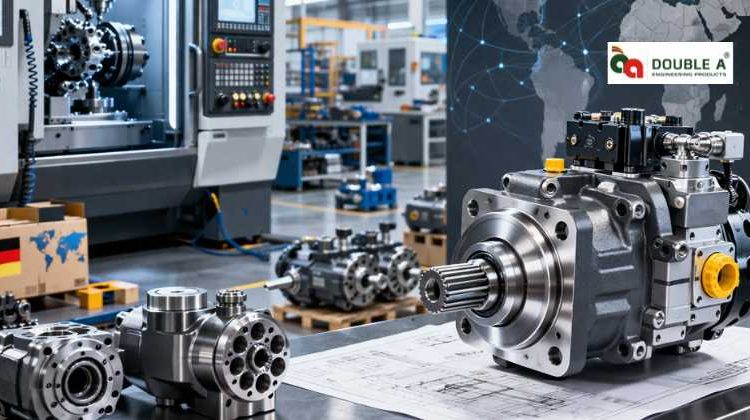
Industrial Hydraulic Pump Manufacturer Explained: How to Choose the Right Hydraulic Pump for Industrial Applications
Introduction
The modern industrial machinery is based on hydraulic systems, which supply the force to lift, press, move, and control the heavy loads accurately. In manufacturing industries, building sites, mining, or even in farm machinery, the quality of a hydraulic pump is a key determinant of the efficiency of a hydraulic system.
The choice of the appropriate industrial hydraulic pump manufacturer is among the most significant business decisions a business makes to enhance the reliability of the equipment, minimize downtime, and maximize operational efficiency. This is to help you in making an informed choice by this guide explicating the various types of hydraulic pumps, the main selection criteria, the quality criterion, and the industry application.
What Is an Industrial Hydraulic Pump?
A hydraulic pump transforms mechanical energy to a hydraulic energy by producing a fluid flow in a hydraulic system. This flow creates pressure that drives cylinders, motors, and other hydraulic parts of industrial equipment.
The contemporary industrial hydraulic pumps are engineered to provide high efficiency, constant pressure, and long life expectancy; hence, they will fit the harsh environments in industry.
Types of Hydraulic Pumps Used in Industry
Pumps have different designs, which should be known before selecting the right solution.
Gear Pumps
The reason why gear pumps are popular is due to their constructions that are easy to make and their reliability.
Best suited for:
- Manufacturing equipment
- Agricultural machinery
- Material handling systems
- General industrial applications
Vane Pumps
Vane pumps offer a smooth and stable flow of fluid at relatively low noise levels.
Advantages include:
- Stable pressure
- Quiet operation
- Easy maintenance
- High efficiency
Piston Pumps
Piston pumps are intended to work in areas where the operating pressure is high and where the precision of the pump is needed.
High-pressure hydraulic pumps are used in many industries to supply equipment used in heavy industry where durability and performance are important.
Applications of Hydraulic Pumps Across Industries
Hydraulic pumps are applied in a wide variety of industries due to the fact that they give a good transmission of power.
Manufacturing
Hydraulic systems are used in industrial machines like presses, injection molding machines, and CNC machines to provide precision and efficiency.
Construction
Equipment powered by hydraulic pumps includes:
- Excavators
- Bulldozers
- Cranes
- Loaders
- Concrete machinery
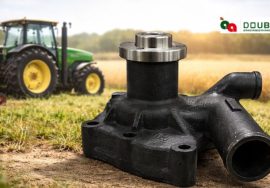
Agriculture
The modern agriculture machinery is equipped with hydraulic systems to enhance productivity and control over operation.
Typical applications include:
- Tractors
- Harvesters
- Seed drills
- Irrigation equipment
Mining and Heavy Industries
Mining operations involve hydraulic systems that are able to support a continuous workload in poor working environments.
Factors to Consider When Choosing a Hydraulic Pump
When choosing the appropriate hydraulic pump, it is important to consider various technical and operational aspects.
Operating Pressure
Identify the pressure needs of your machines and then choose a pump. The work of piston pumps in higher-pressure applications is often performed by highly-demanding pumps specifically made to operate in such conditions.
Flow Rate
The flow rate required has a direct impact on machine speed and general productivity. Selecting the right pump capacity will guarantee optimum performance without unwarranted energy usage.
Fluid Compatibility
The pump must also ensure that it can work with your hydraulic fluid in order to fit optimally and minimize wear on the components.
Operating Environment
Take into account such aspects as:
- Temperature
- Dust exposure
- Moisture
- Continuous operating hours
Pumps that are used in harsh conditions also tend to be more durable and resistant to corrosion.
Why Manufacturer Quality Matters
Not every hydraulic pump provides the same level of performance. Collaboration with established hydraulic pump producers is a tool to guarantee the quality and durability.
Good manufacturers usually provide:
- Precision engineering
- Advanced manufacturing facilities
- Comprehensive testing procedures
- Technical support
- Product customization
- Consistent quality control
These will reduce maintenance and increase the uptime of equipment.
Importance of Hydraulic Power Units
A lot of industrial processes need an extensive hydraulic system rather than individual pumps.
A skilled hydraulic power unit manufacturer offers built-in systems that encompass:
- Hydraulic pump
- Electric motor
- Reservoir
- Valves
- Filters
- Pressure control devices
The combined hydraulic power systems facilitate the installation process and improve the functionality of the system.
Industry Standards and Quality Assurance
The quality of the hydraulic pumps is ensured through stringent processes before they reach the customers.
Examples of common quality practices are:
- Dimensional inspection
- Pressure testing
- Flow rate validation
- Leak testing
- Material verification
- Endurance testing
Manufacturers that adhere to internationally accepted quality management systems are always producing trustworthy industrial components.
Emerging Trends in Hydraulic Pump Manufacturing
The hydraulic industry is constantly shifting towards improved engineering and automation.
Energy-Efficient Pump Designs
The modern pumps are designed in a way that conserves energy while maintaining the performance of the pumps.
Smart Monitoring Systems
Digital sensors give predictive maintenance, as they observe the pressure, temperature, and operating conditions in real time.
Compact Hydraulic Systems
To address the changing industrial equipment needs, manufacturers are coming up with smaller but more powerful hydraulic solutions.
Sustainable Manufacturing
The use of eco-friendly production techniques and recyclable materials is gaining more importance in the hydraulic industry.
Frequently Asked Questions (FAQs)
Q1. What is the work of an industrial hydraulic pump?
Ans: It transforms mechanical energy into hydraulic energy by producing fluid flow, which drives industrial machinery and hydraulic systems.
Q2. What is the most suitable hydraulic pump to use at high pressure?
Ans: Piston pumps are mostly used due to their outstanding pressure capacity, endurance, and efficiency.
Q3. What do I do to select the correct supplier of hydraulic pumps?
Ans: Assess the manufacturing experience, quality of the supplier, its testing, engineering support, customization options, and after-sales service.
Q4. What are the typical industries that use hydraulic pumps?
Ans: Hydraulic pumps have a wide range of applications in manufacturing, construction, agriculture, mining, transportation, marine, and material handling.
Q5. Why is regular hydraulic pump maintenance important?
Ans: Regular servicing enhances efficiency, longevity, and lifespan of equipment, avoids unexpected breakdowns, and minimizes operating expenses.
Conclusion
Selecting the appropriate industrial hydraulic pump manufacturer is key to determining the efficiency, reliability, and long-term functionality of industrial equipment. Knowing the type of pumps, operating needs, quality standards, and needs based on their application, businesses can obtain solutions that enhance productivity and reduce maintenance and downtime. The collaboration with a skilled manufacturer with the ability to supply accurate hydraulic pumps, technical knowledge, and reliable services contribute to the optimal performance of industrial hydraulic systems in a large variety of industries.