

Engine Cooling System: Complete Guide to Components, Working Principle, Common Problems, and Maintenance
Introduction
All internal combustion engines produce a lot of heat in the process of operation. The lack of an efficient cooling system exposes the engine to overheating, which may cause burns to important components, diminished performance, and decreased life of the car. A good engine cooling system assists in controlling the engine temperature, which will result in smooth engine operation in various driving conditions.
Whether you are a vehicle owner, fleet operator, mechanic, or automotive business, knowing the cooling system can save you high costs in repairing the system and maximize engine reliability. This guide describes the key components, operating principle, troubleshooting, service, and industry knowledge on the modern engine cooling technology.
What Is an Engine Cooling System?
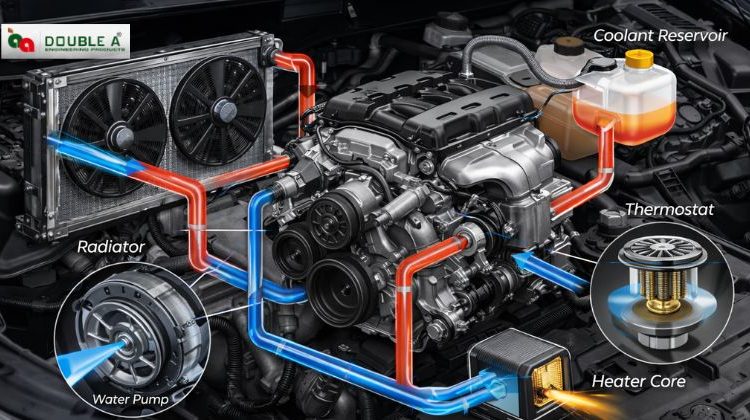
An engine cooling system is a system of components that manage the engine temperature by circulating coolant in the engine block and radiator. It takes up the surplus of heat generated in the combustion and expels it into the air surrounding the engine, thereby ensuring the engine runs at its optimal temperature.
The present-day vehicles are based on a sophisticated automotive cooling system that integrates both mechanical and electronic parts towards enhanced efficiency, fuel economy, and minimized emissions.
Main Engine Cooling System Components
A number of components collaborate to ensure that the engine is run at the right temperature.
1. Engine Water Pump
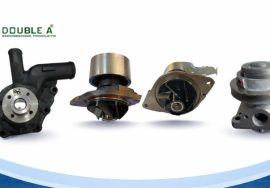
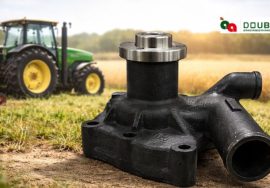
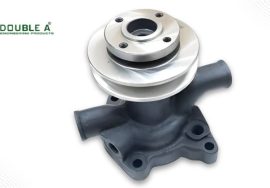
One of the most important parts of the cooling system is the engine water pump. It pumps coolant to the engine and radiator, keeping heat transfer constant.
Key benefits include:
- Consistent coolant flow
- Prevention of engine overheating
- Improved engine efficiency
- Extended component lifespan
2. Radiator
The radiator cooling system takes out the heat of the coolant, and the same is pumped back to the engine. In contemporary radiators, cores made of lightweight aluminum are being used to advance the transfer of heat and durability.
3. Thermostat
The thermostat controls the flow of coolant depending on the temperature of the engine. When it is in cold start, it remains closed, and when it has attained the operating temperature of the engine, it opens.
4. Cooling Fan
Cooling fan is applied to make more air circulate in the radiator and particularly when a car is not in operation or when it is moving at a slow speed.
5. Coolant
Antifreeze or coolant pulls the heat out of the engine and prevents corrosion, freezing, and overheating of the cooling system.
6. Hoses and Expansion Tank
These components circulate coolant throughout the various components of the cooling system and maintain the fluid level and pressure at the appropriate levels.
The combination of these engine cooling system components will allow efficient temperature regulation in different operating conditions.
How the Cooling System Works
The cool is an ongoing process:
- The coolant is circulated in the engine block through the water pump.
- The heat produced in the combustion process is absorbed by the coolant.
- The radiator is fed by heated coolant.
- Surplus heat is eliminated by air going through the radiator.
- The refrigerating fluid is returned to the engine.
- The thermostat will be used to regulate coolant flow based on the temperature at which it is operating.
This process of engine coolant circulation prevents overheating and maintains steady engine operation.
Common Engine Cooling System Problems
Cooling systems, as well as any other mechanical system, should be inspected and serviced regularly.
Coolant Leaks
Damaged or loose hoses and worn seals may result in leakage of coolant and reduced efficiency.
Water Pump Failure
The failure of a water pump can also interfere with the circulation of the coolant, causing excessive overheating of the engine and severe internal damage.
Thermostat Malfunction
A thermostat that is stuck can limit the amount of coolant that flows, or it can be stuck so that the engine does not get to the correct operating temperature.
Radiator Blockage
Dust, debris, rust, or corrosion in the radiator may compromise radiator efficiency and affect the overall cooling performance.
Cooling Fan Failure
Lack of airflow may be due to electrical or mechanical faults in the cooling fan, especially in urban driving or idling.
Maintenance Tips for Long-Term Performance
Proper maintenance can extend the life of the cooling system and engine.
Adhere to the best practices:
- Monitor and check coolant.
- Change coolant as per the manufacturer’s specifications.
- Leak and wear check hoses and clamps.
- The radiator must be washed so that it can circulate well.
- Test the thermostat during the routine maintenance.
- Fails to recharge used water pumps.
- Keep track of engine temperature when driving.
Servicing on a regular basis will save on repairs and improve the overall automobile reliability.
Industry Trends in Engine Cooling Technology
The automotive industry continues to introduce more efficient cooling solutions to meet evolving performance and environmental requirements.
Electric Water Pumps
Electric water pumps offer accurate control of the flow of coolant, resulting in better fuel efficiency and less load on the engine than mechanical pumps.
Smart Thermal Management
The electronic control units and sensors help modern vehicles to optimize the engine temperature during various operating conditions.
Lightweight Cooling Components
To enhance the transfer of heat, manufacturers are opting to use aluminum and composite materials to reduce the weight of the vehicle.
Eco-Friendly Coolants
Advanced coolant formulations have a longer service life, better corrosion protection, and improved environmental performance.
Frequently Asked Questions (FAQs)
Q1. What is the engine cooling system?
Ans: It controls the engine temperature by eliminating unwanted heat, preventing overheating engines, and maintaining efficient engine operation.
Q2. What are the key components of the engine cooling system?
Ans: The main parts are the water pump, radiator, thermostat, cooling fan, coolant, hoses, and expansion tank.
Q3. What is engine coolant circulation?
Ans: The coolant passes through the engine to cool it and is pumped into the radiator, where it releases the heat and is pumped back into the engine.
Q4. What are the symptoms of a damaged water pump?
Ans: Symptoms such as coolant leakage, overheating, odd noises, engine steam, and variable engine temperatures are common.
Q5. How frequently should coolant be replaced?
Ans: Replacement frequency depends on the manufacturer, but the majority of the vehicles have to replace the coolant after 2-5 years or as indicated in the owner’s manual.
Conclusion
A well-maintained engine cooling system is a prerequisite to safeguard the engine components, improve fuel consumption, and guarantee good car performance. Beginning with the engine water pump and radiator, all the others of the system assist in maintaining the operating temperatures at the optimum. Regular checkups and maintenance and good quality spares are employed to prevent unexpected breakdowns and prolong the engine life. Firms and automobile users who take time to service their cooling systems perform better, are less expensive to operate and are reliable in the long term.